
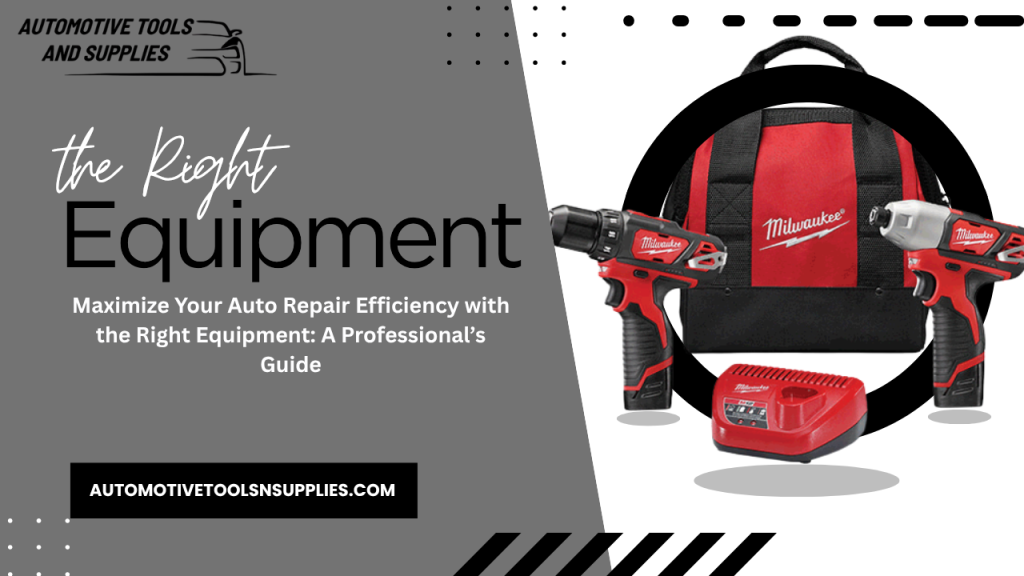
In the fast-paced world of auto repair, efficiency is key. Whether you run a busy auto repair shop or perform maintenance on your own vehicles, having the right tools and equipment can dramatically improve productivity, reduce downtime, and ensure quality results. In this guide, we’ll explore how selecting and utilizing the best auto repair equipment can maximize your efficiency, improve safety, and enhance the quality of your work. We’ll also introduce you to trusted resources like Automotive Tools and Supplies, a leading provider in professional-grade automotive equipment designed to help you get the job done right.
Why the Right Auto Repair Equipment Matters
When it comes to auto repair, the difference between a smooth operation and a frustrating, time-consuming job often lies in the quality and suitability of your tools. Using outdated, poorly maintained, or inappropriate tools can:
- Increase repair time
- Lead to subpar repairs
- Cause damage to vehicle components
- Create safety hazards for the technician
- Result in customer dissatisfaction
On the other hand, equipping your workshop with the right auto repair equipment tailored to your specific repair needs ensures you can work faster, safer, and with greater precision. From diagnostics to mechanical repairs, having reliable, high-quality tools reduces guesswork and improves the overall workflow.
Essential Categories of Auto Repair Equipment
To truly maximize your auto repair efficiency, it’s important to understand the key categories of equipment that every professional mechanic or DIY enthusiast should have access to. Below are some essential types:
1. Diagnostic Tools
Modern vehicles are highly computerized, making electronic diagnostic tools indispensable. A quality diagnostic scanner or code reader helps you identify issues quickly by reading trouble codes from the vehicle’s onboard computer system.
- Benefits: Speeds up troubleshooting, reduces guesswork, and helps pinpoint problems early.
- Examples: OBD-II scanners, multi-system diagnostic tools, battery testers.
2. Hand Tools
No repair job is complete without a reliable set of hand tools. Wrenches, sockets, pliers, screwdrivers, and ratchets are fundamental to every mechanic’s toolkit.
- Benefits: Versatile and essential for nearly all repairs.
- Tips: Invest in durable, ergonomic hand tools to reduce fatigue and improve grip.
3. Power Tools and Pneumatic Equipment
Power tools like impact wrenches and drills save time when loosening or tightening bolts, nuts, and screws. Pneumatic tools powered by compressed air deliver high torque with less physical effort.
- Benefits: Increases speed and reduces manual strain.
- Examples: Impact wrenches, air ratchets, grinders, drills.
4. Lifting and Support Equipment
Proper lifting tools such as hydraulic lifts, jacks, and jack stands are critical for safely elevating vehicles to access undercarriage components.
- Benefits: Improves access, safety, and efficiency during undercarriage repairs or inspections.
- Safety note: Always use equipment rated for the vehicle’s weight and ensure stable positioning.
5. Specialty Tools
Certain repairs require specialized tools designed for specific makes, models, or repair types, such as brake caliper tools, fuel injector cleaners, or timing belt tools.
- Benefits: Ensures precise repairs and prevents damage to delicate components.
6. Cleaning and Maintenance Equipment
Keeping components clean during and after repair improves longevity and function. Parts washers, brake cleaners, and degreasers are important accessories.
How to Choose the Right Auto Repair Equipment
Selecting the right tools and equipment for your workshop is a strategic investment. Here’s a professional approach to making smart purchasing decisions:
1. Assess Your Repair Needs
Consider the types of vehicles and repairs you handle most often. A general mechanic servicing a variety of vehicles may need a broad selection of tools, while a specialist (such as a brake or transmission technician) may require more niche equipment.
2. Prioritize Quality and Durability
Buying low-cost, low-quality tools may seem economical but often results in frequent replacements and increased downtime. Instead, focus on reputable brands and trusted suppliers like Automotive Tools and Supplies who offer high-quality auto repair equipment designed for professional use.
3. Consider Ergonomics and Efficiency
Tools designed with ergonomics in mind reduce fatigue and injury risk, enabling longer, more productive work sessions. Features like non-slip grips, balanced weight, and ease of use contribute to improved technician performance.
4. Plan for Maintenance and Support
Choose equipment that’s easy to maintain and comes with good customer support or warranties. Preventive maintenance of your tools extends their lifespan and maintains their performance.
5. Stay Updated on Industry Innovations
Auto repair technology is continually advancing. Stay informed about new tools, diagnostic equipment, and repair techniques to keep your workshop competitive and efficient.
Maximizing Efficiency with the Right Workflow and Equipment Use
Having the best tools is only half the battle. Maximizing efficiency also requires smart workflow practices. Here’s how to combine proper equipment use with streamlined processes:
1. Organize Your Workspace
- Keep tools organized and within easy reach.
- Use tool chests, pegboards, or shadow boards to minimize time spent searching for items.
- Maintain a clean, clutter-free environment for safety and speed.
2. Implement Standard Operating Procedures (SOPs)
- Define clear steps for common repairs.
- Train your technicians to use tools and equipment consistently and correctly.
- SOPs help reduce errors and improve repair quality.
3. Schedule Preventive Maintenance for Equipment
- Regularly inspect and service your tools.
- Replace worn parts promptly.
- Calibrate diagnostic devices to ensure accuracy.
4. Invest in Training and Certification
- Keep your team updated on how to use new auto repair equipment.
- Training increases confidence and speeds up repair times.
How Automotive Tools and Supplies Supports Your Efficiency
Choosing the right supplier for your auto repair equipment is crucial. Automotive Tools and Supplies is a trusted name in the industry, offering a comprehensive range of professional-grade tools, diagnostic devices, lifting equipment, and specialty tools tailored to meet the demands of modern repair shops.
Why Choose Automotive Tools and Supplies?
- Quality Assured: All products undergo strict quality control to ensure durability and performance.
- Wide Selection: From hand tools to high-tech diagnostic machines, they cover every aspect of auto repair.
- Competitive Pricing: Value for money without compromising on quality.
- Expert Support: Knowledgeable staff ready to help you select the perfect equipment for your needs.
- Convenience: Easy online ordering with fast shipping options.
Case Study: Boosting Shop Efficiency with the Right Equipment
Consider a mid-sized auto repair shop that struggled with slow turnaround times and frequent tool breakdowns. After partnering with Automotive Tools and Supplies to upgrade their equipment:
- They acquired ergonomic hand tool sets designed for heavy use.
- Invested in advanced diagnostic scanners for faster fault detection.
- Added pneumatic impact wrenches and hydraulic lifts to reduce manual labor.
- Implemented organized tool storage solutions.
The result? The shop reduced average repair times by 30%, improved customer satisfaction, and decreased technician fatigue and injuries. This example highlights the tangible benefits of investing in the right tools.
Future Trends in Auto Repair Equipment
The auto repair industry is evolving quickly, influenced by technology trends such as electric vehicles (EVs), advanced driver-assistance systems (ADAS), and connected cars. To stay efficient:
- Diagnostic tools are becoming more sophisticated, integrating AI and cloud connectivity.
- Electric vehicle-specific tools are emerging to safely handle high-voltage systems.
- 3D printing and smart tools are beginning to assist in custom parts fabrication and real-time diagnostics.
Suppliers like Automotive Tools and Supplies are continually updating their offerings to include the latest innovations, ensuring your workshop stays ahead of the curve.
Conclusion
Maximizing your auto repair efficiency hinges on having the right auto repair equipment combined with organized workflows, ongoing training, and a commitment to quality. Investing in durable, ergonomic, and technologically advanced tools pays dividends through faster repair times, better safety, and improved customer satisfaction.
For professionals and enthusiasts alike, Automotive Tools and Supplies offers a reliable source of premium-grade equipment designed to meet your diverse needs. By choosing the right tools and implementing efficient practices, you can elevate your auto repair operations to the next level.